

Audi from America — what to know before you buy
Audi from America is among the most common imports here, and the logic is plain: almost everything is petrol, the equipment runs high, and the mileage is more honest than the tired second-hand diesels shipped in from Western Europe. Diesel is rare — under two hundred cars out of the nearly fifteen thousand we hold. Behind the Premium Plus and Prestige badges, though, sit traps that are checked by VIN before the auction, not after delivery.
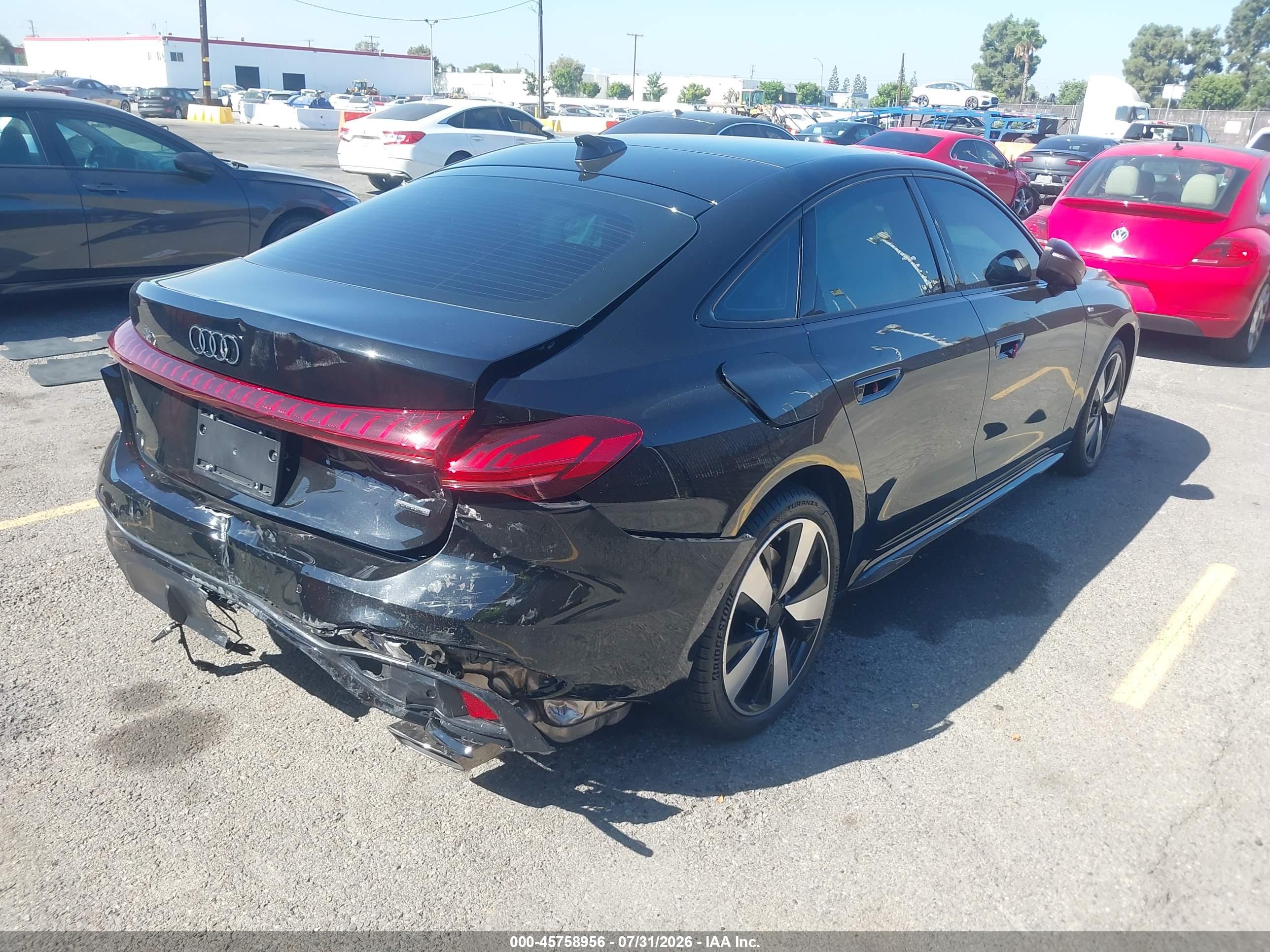
Unlike the American Japanese marques, the body is the big advantage here. The fenders, bumpers, hoods, doors and glass on the mainstream Audis — Q5, A4, A6, Q7 — are identical to the European cars, so a front-end hit finds parts on every corner. The catch is the lighting: US headlamps carry no European homologation and throw a different beam, and the rear turn signals flash red. Before it can be registered the car must pass a roadworthiness inspection, which means software coding or swapping the tail-light diodes for amber.
Under the hood is the petrol paradise that European emissions rules long ago complicated with DPF and AdBlue. The most common engine is the 2.0 TFSI — quick, but up to 2016 (Gen 2) it has a factory habit of burning oil through worn piston rings, plus timing-chain stretch; from 2017 (Gen 3) it is cleaned up. Second most common is the 3.0 TFSI V6: the older supercharged unit is brutally durable but fussy about its water pump, thermostat and PCV valve, while the post-2017 turbo demands uncompromising oil discipline to keep its rod bearings alive. All are direct- injection, so LPG is possible but costly.
The drivetrain is where the American car surprises the European buyer, but not in the direction expected: quattro is the norm in the stock, not the exception. What actually matters is the system — on the newer models the classic permanent Torsen was replaced on many variants by Quattro Ultra, which disconnects the rear axle when cruising to save fuel. It is more complex to maintain and not the 'true' permanent all-wheel drive the badge implies. The larger SUVs and stronger engines keep the classic Torsen and ZF's 8-speed torque-converter automatic — the toughest box on the market; the smaller and base cars run the 7-speed dual-clutch S-Tronic. Which one you're getting shows only in the VIN.
The infotainment arrives locked for Europe: the radio tunes only odd frequencies, the navigation shows Texas or New York, and there is no local language. Budget for converting the MMI to European firmware, unlocking the even frequencies and loading regional maps — done by specialist software shops here.
By model
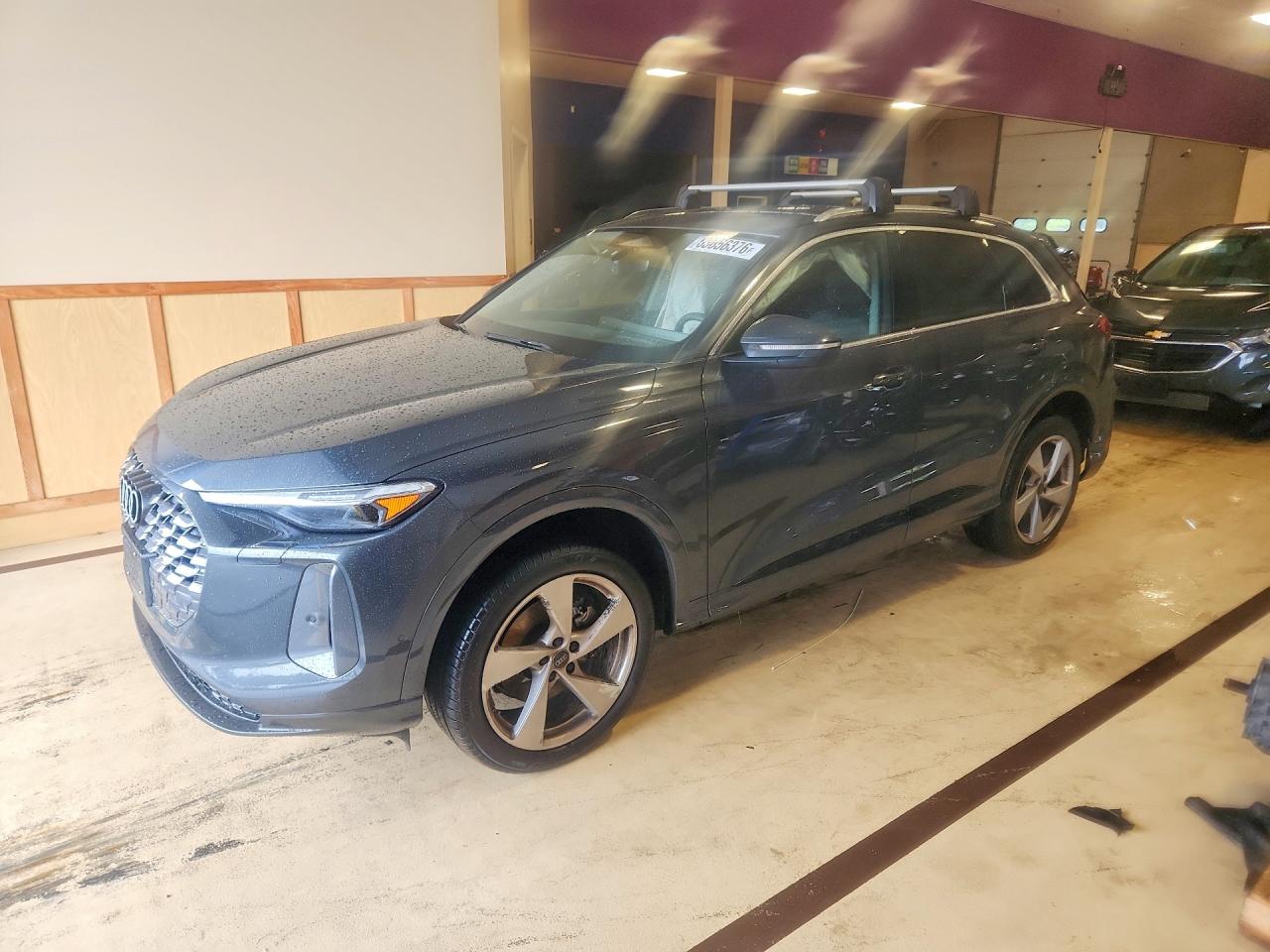
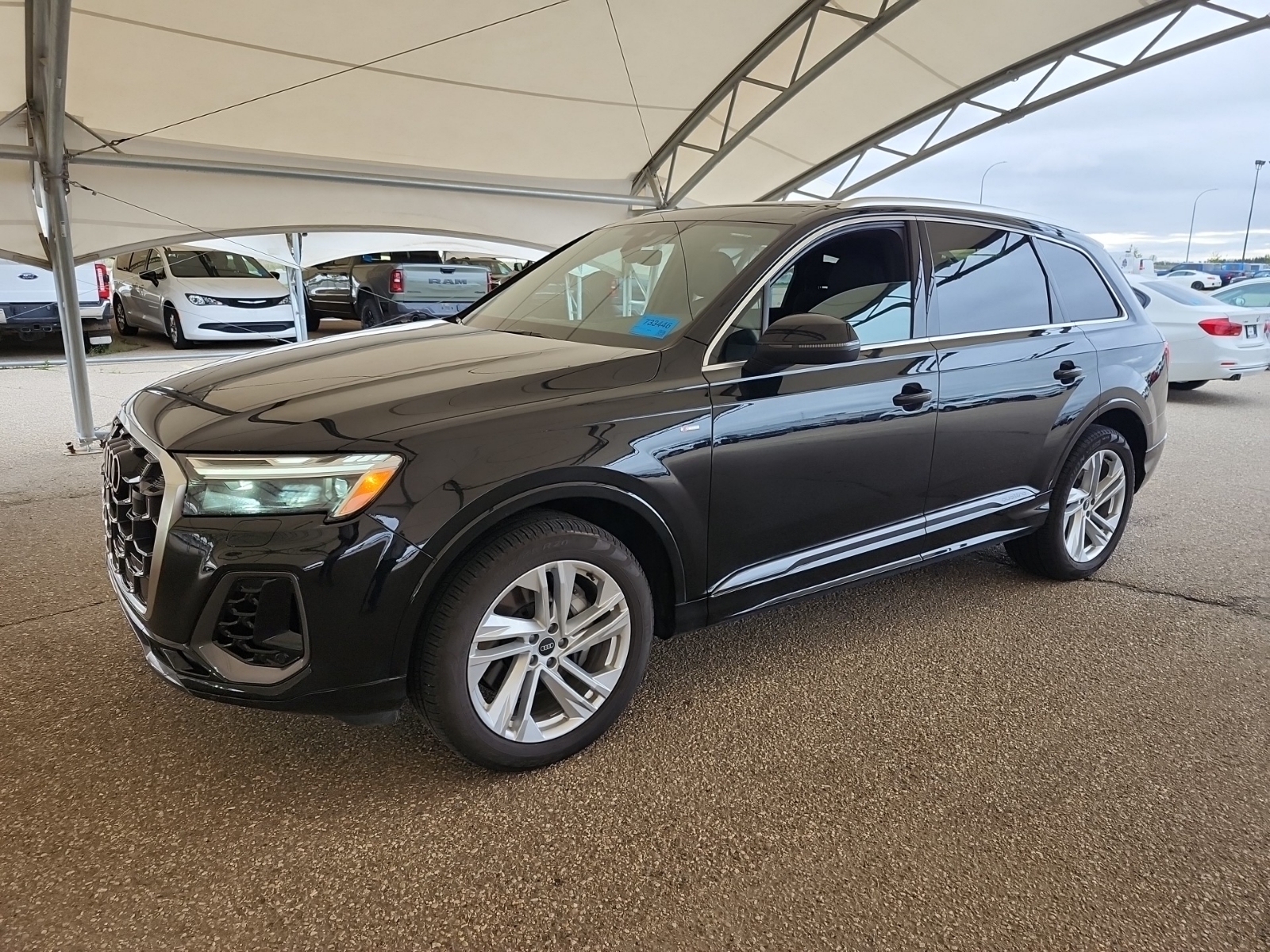
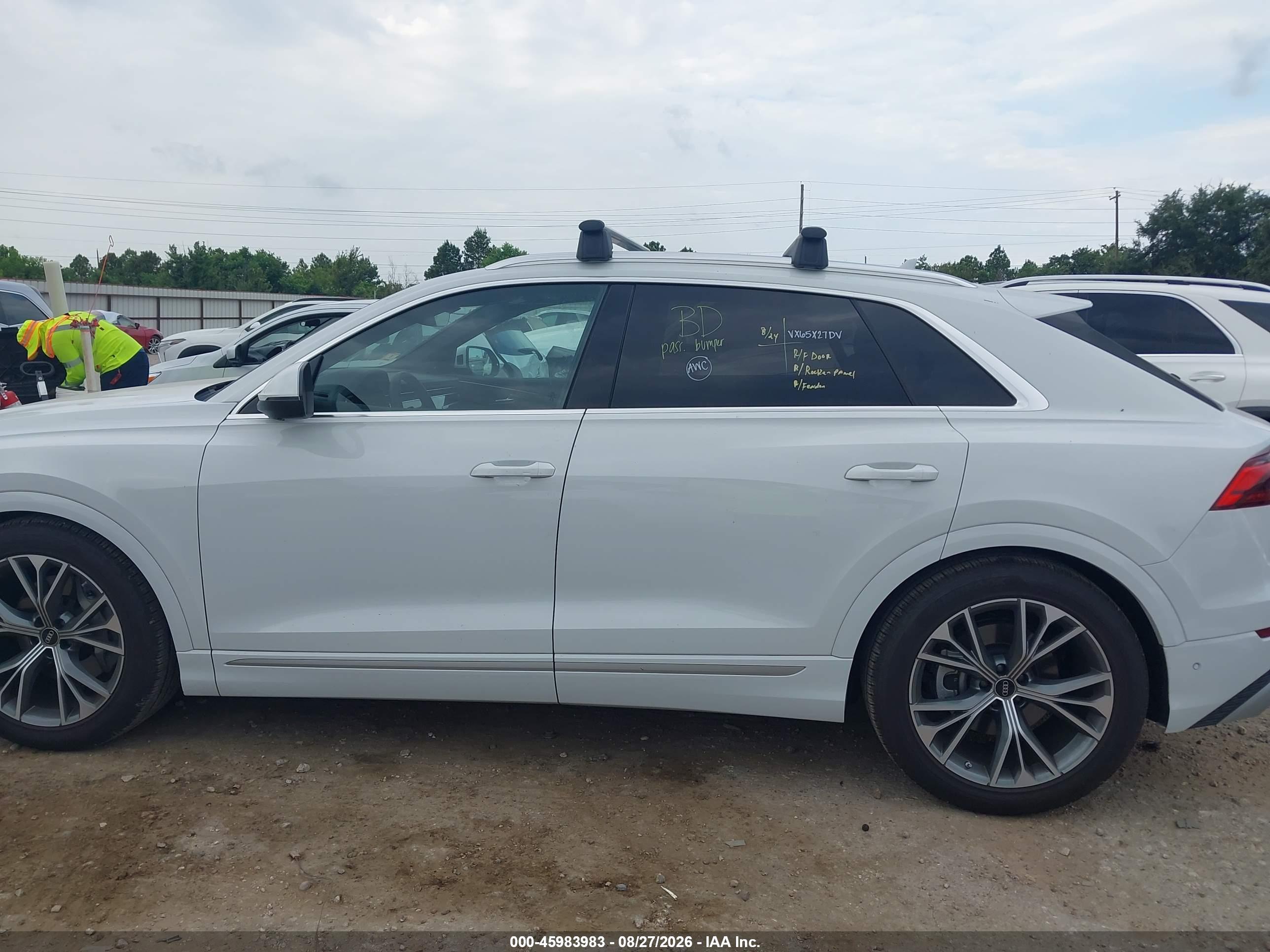
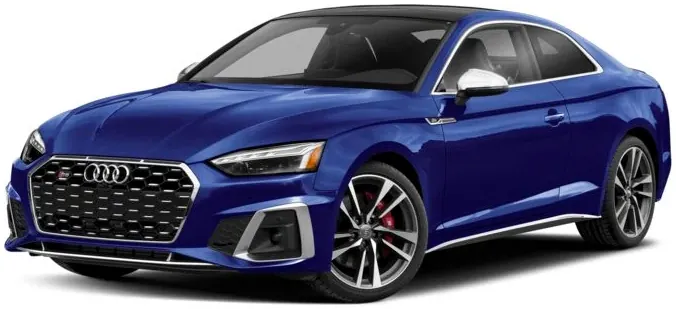

By trim
Latest arrivals
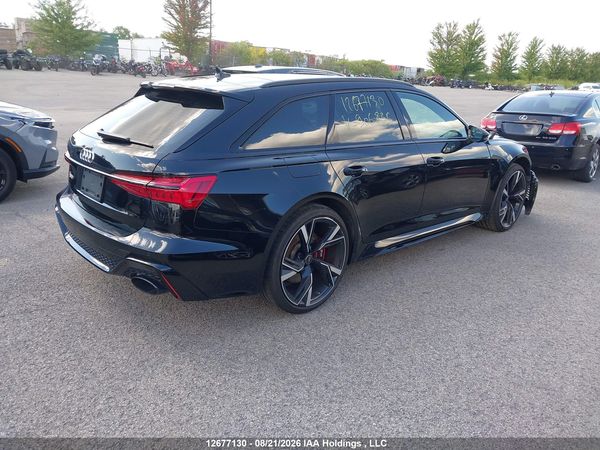
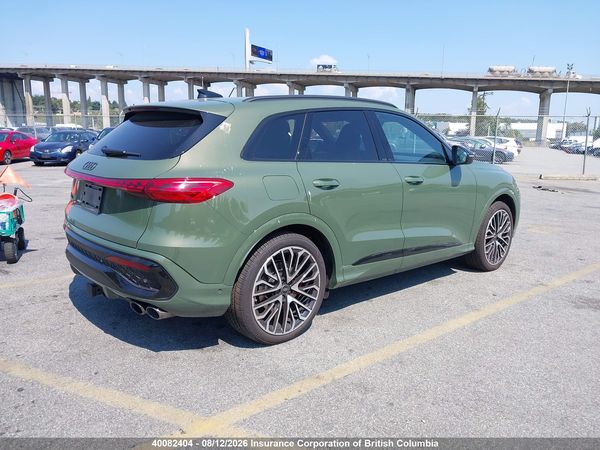
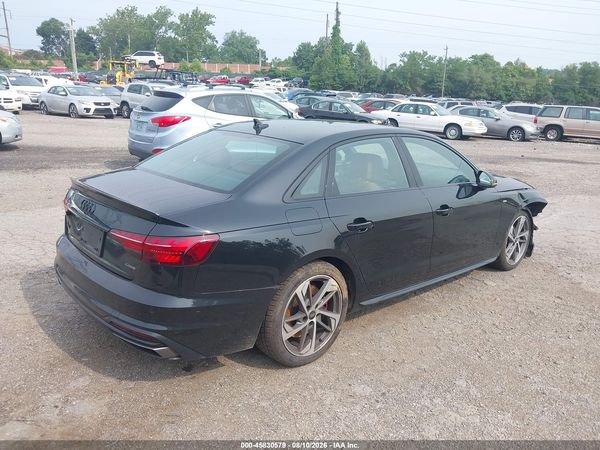
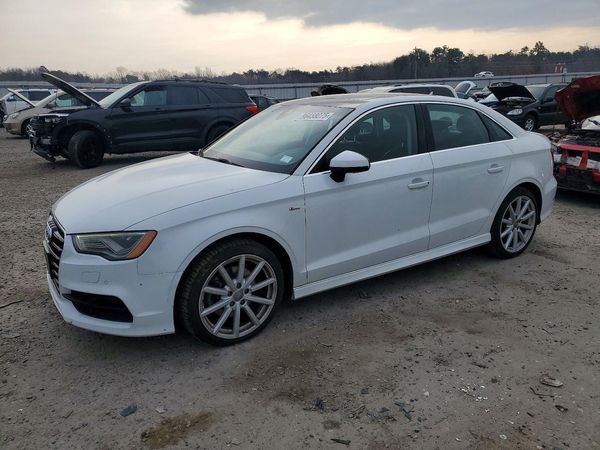

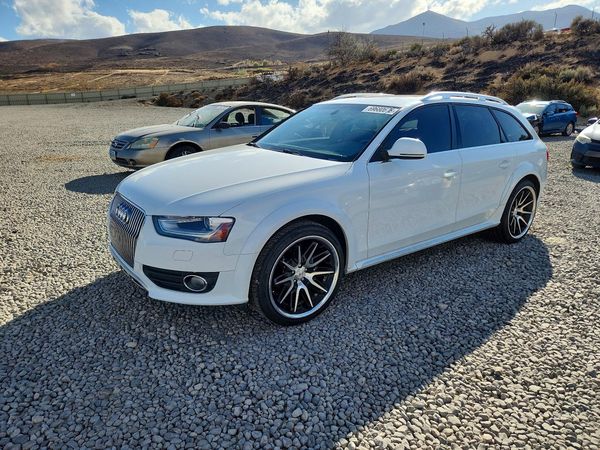
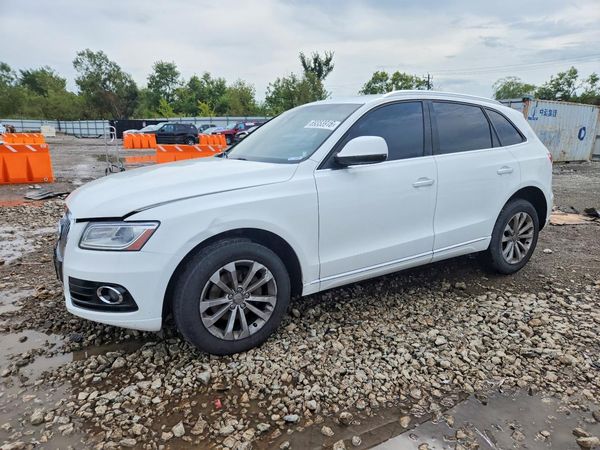
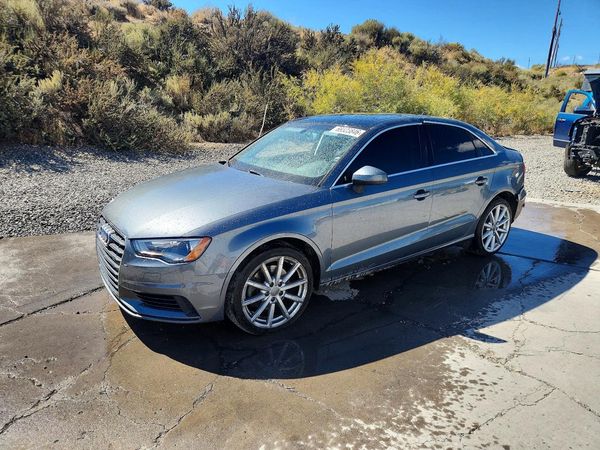
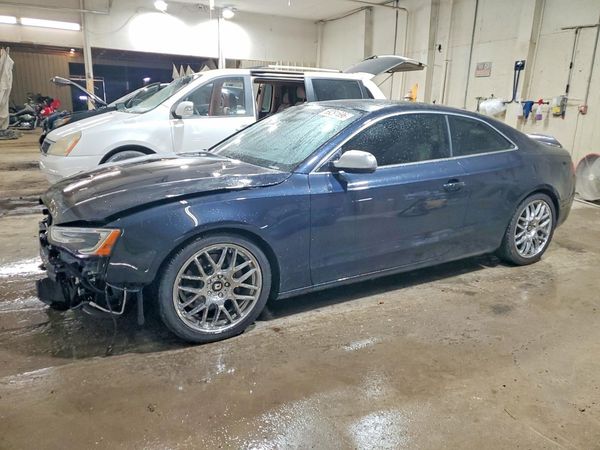

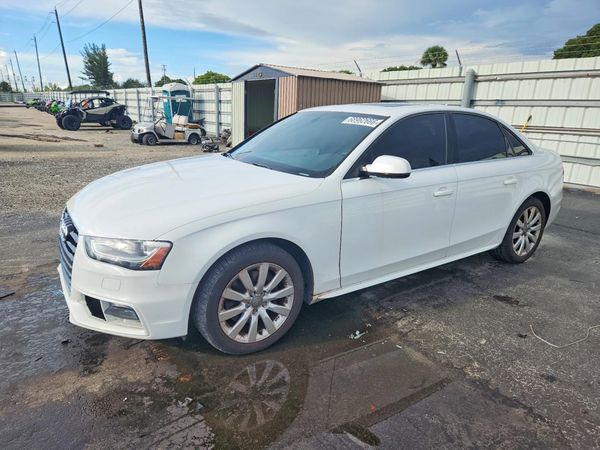
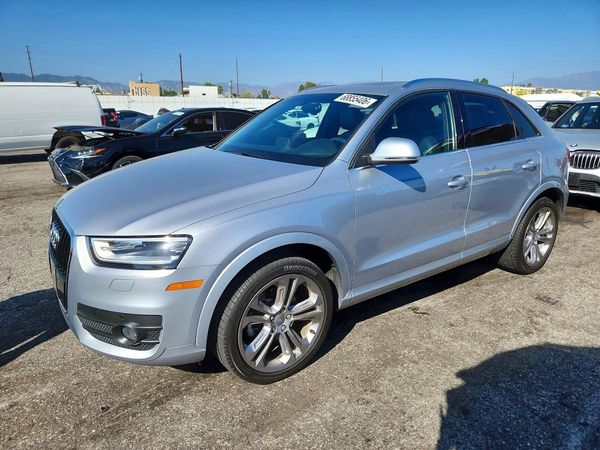
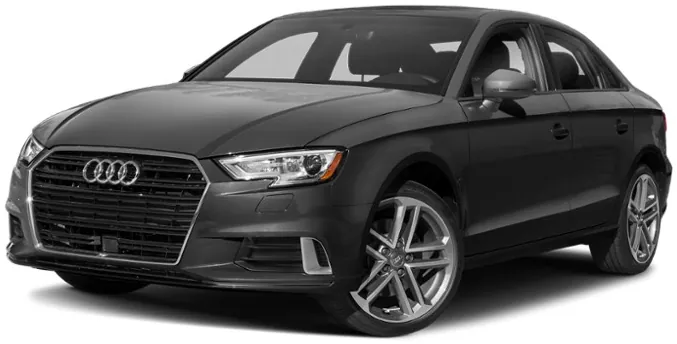
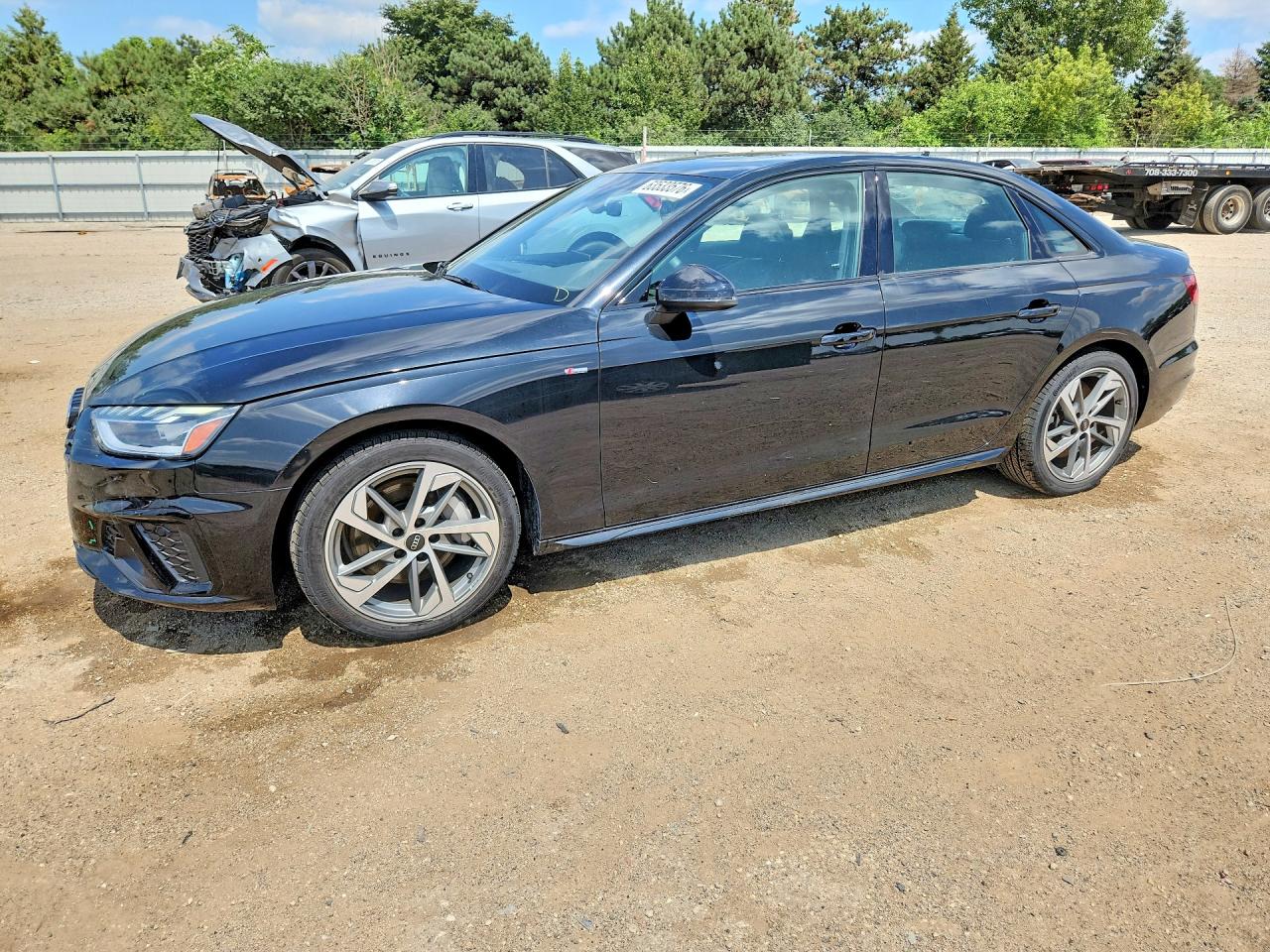
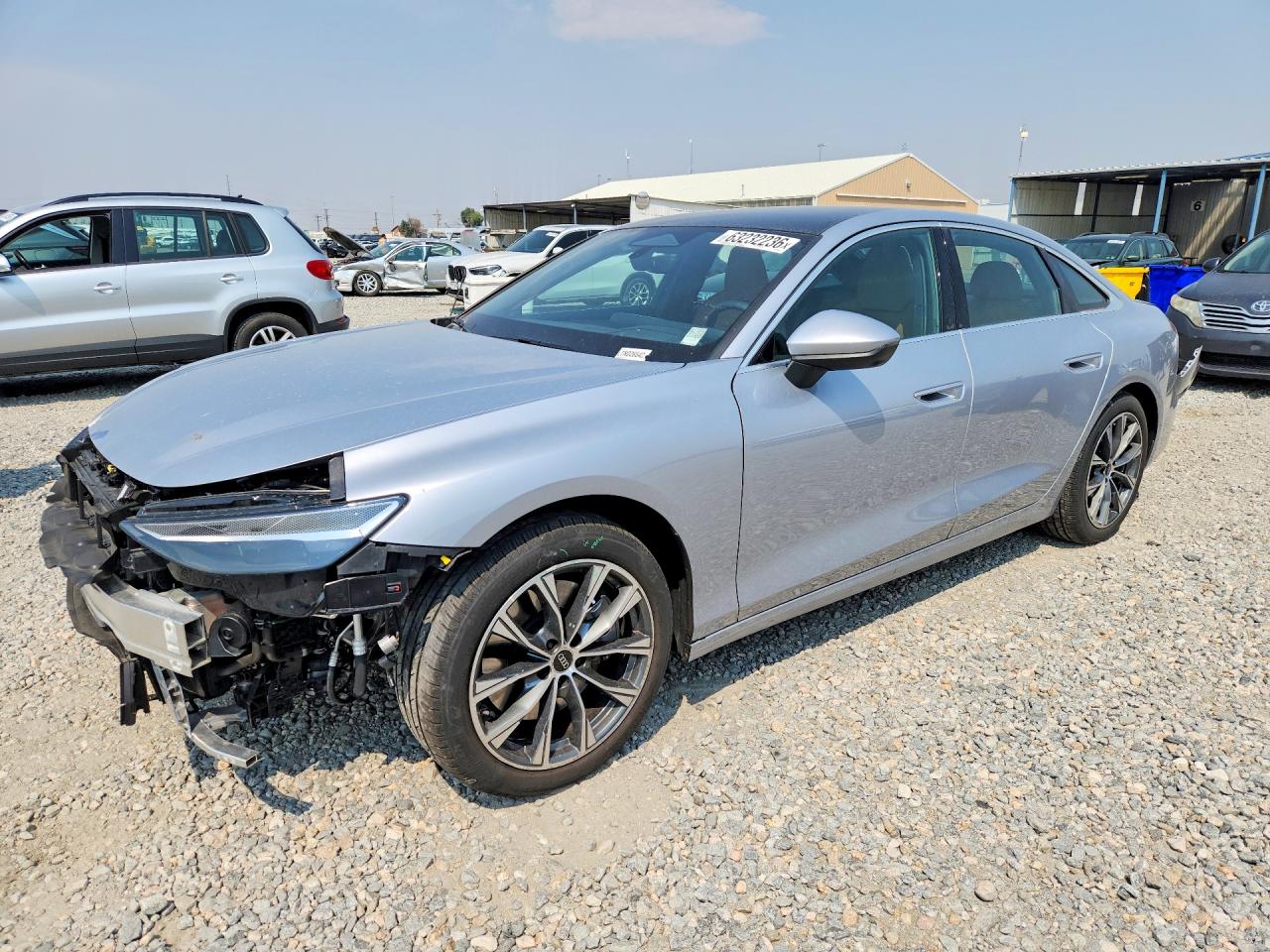
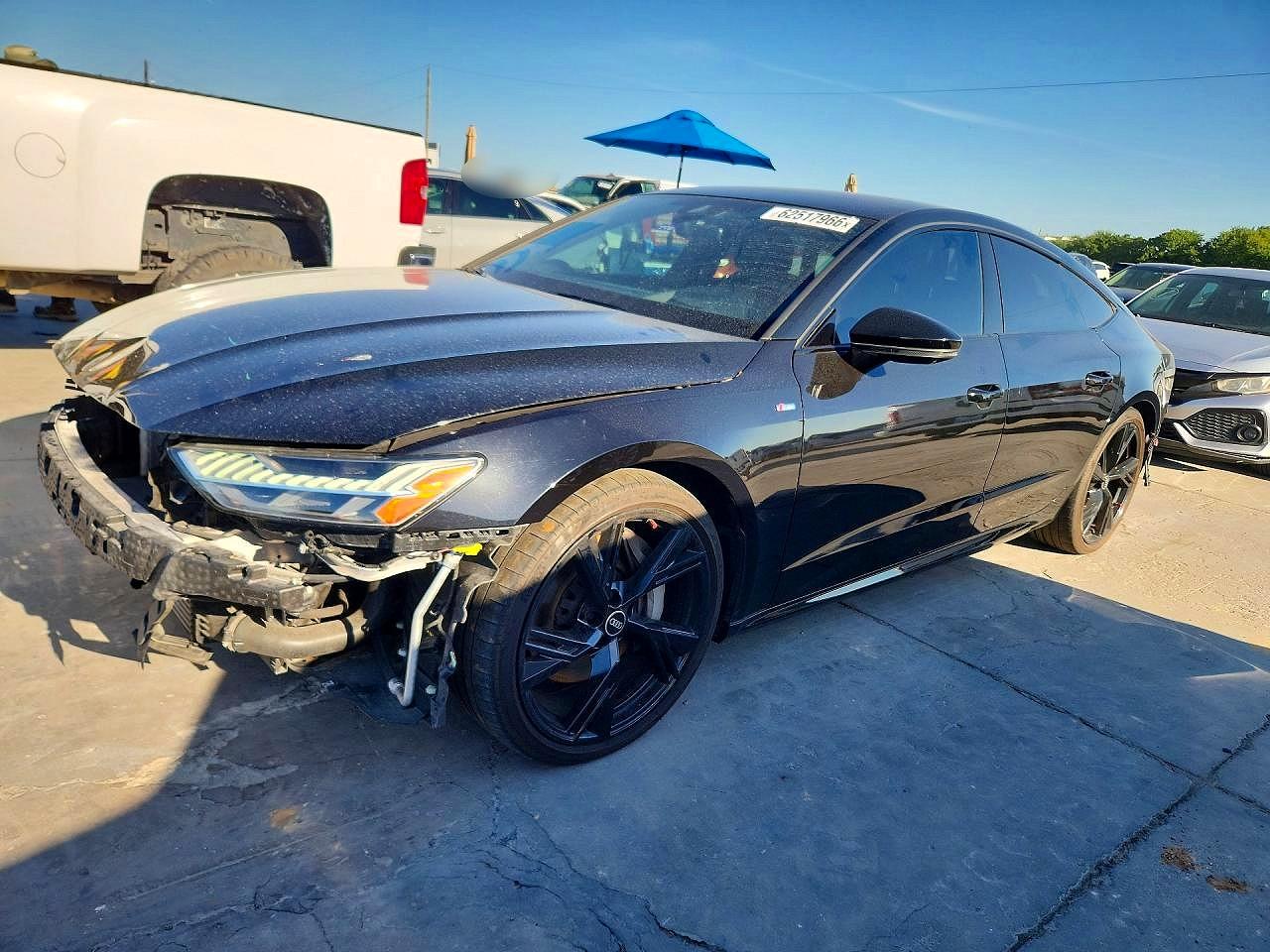
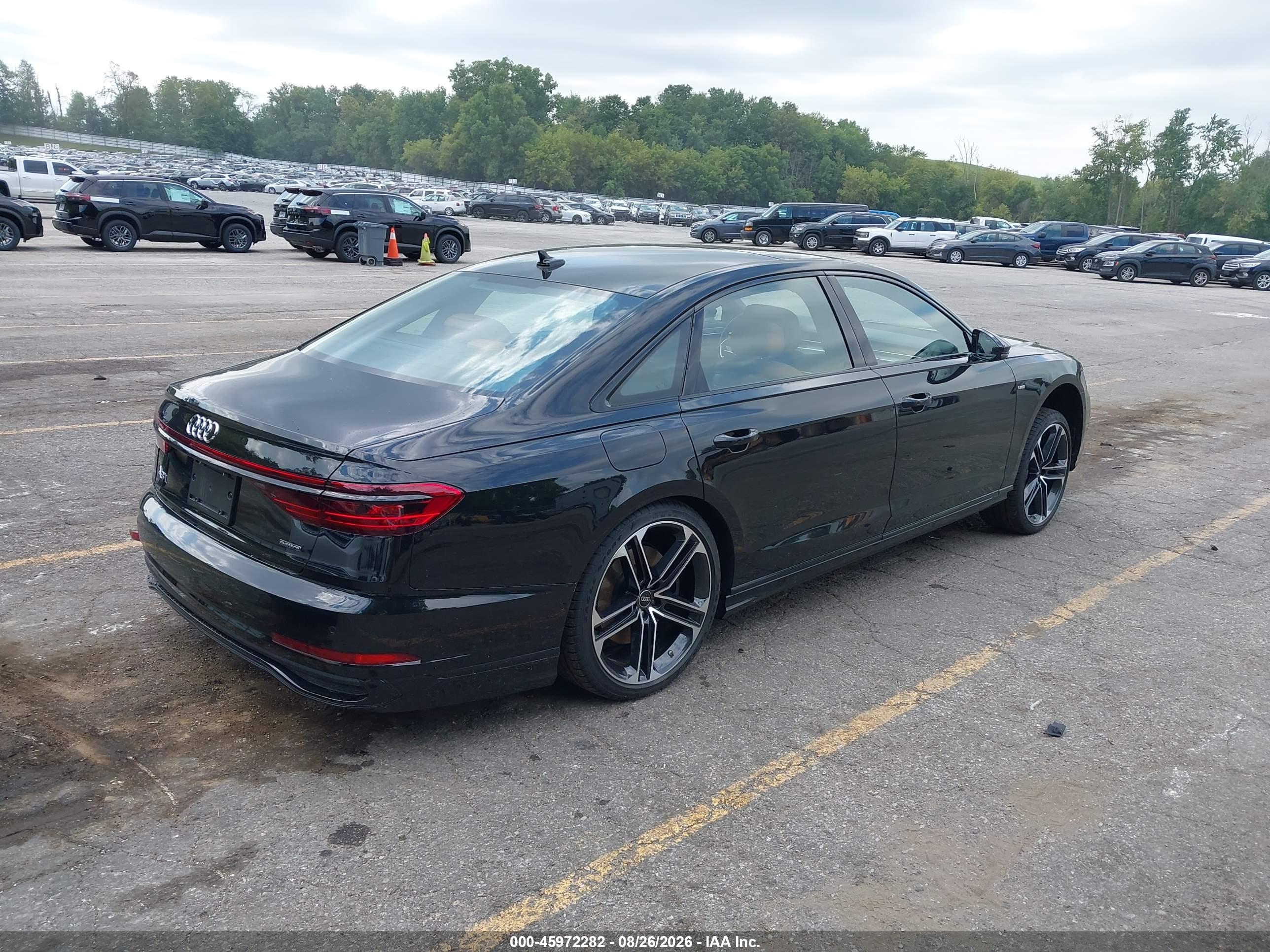
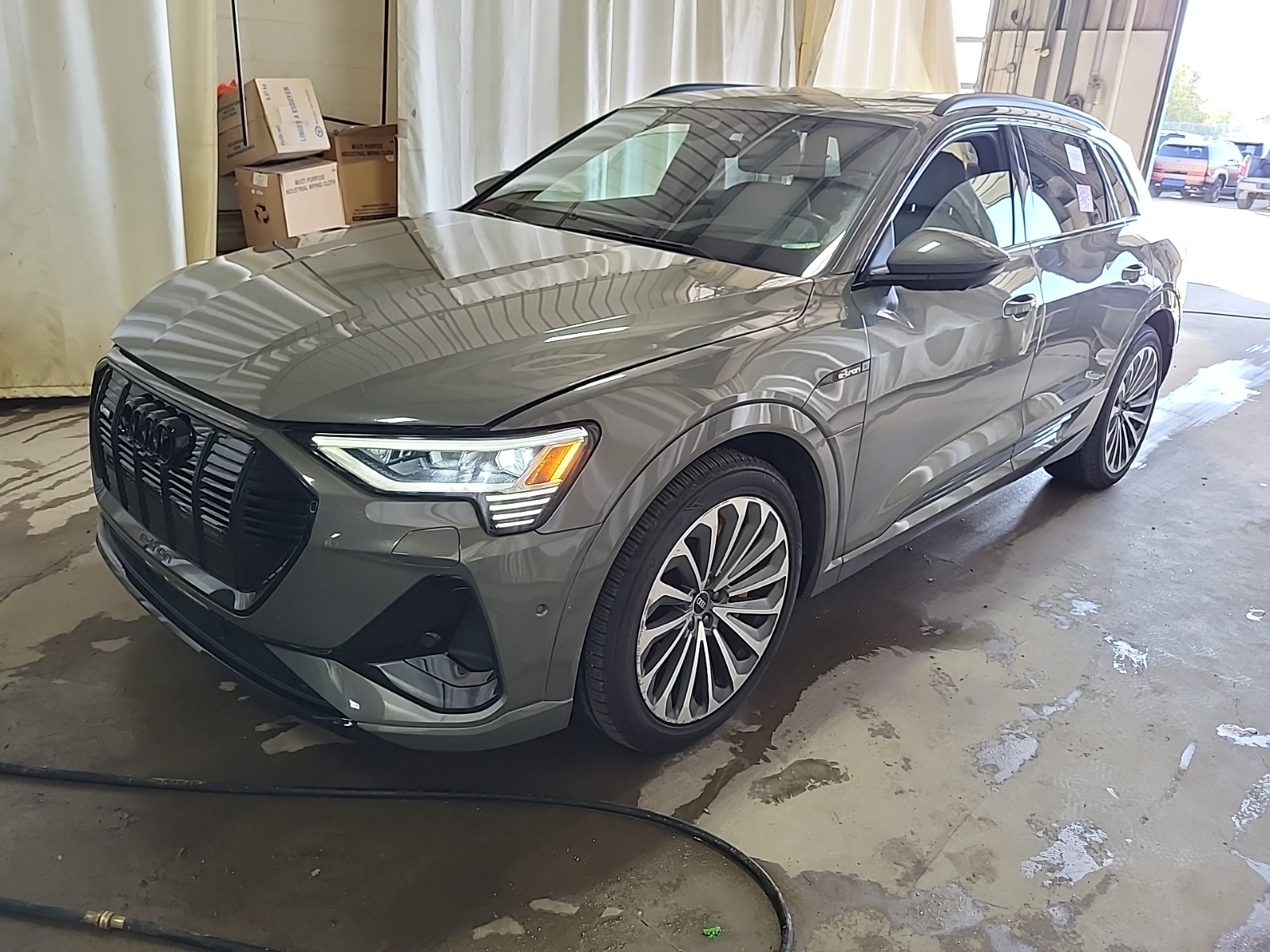
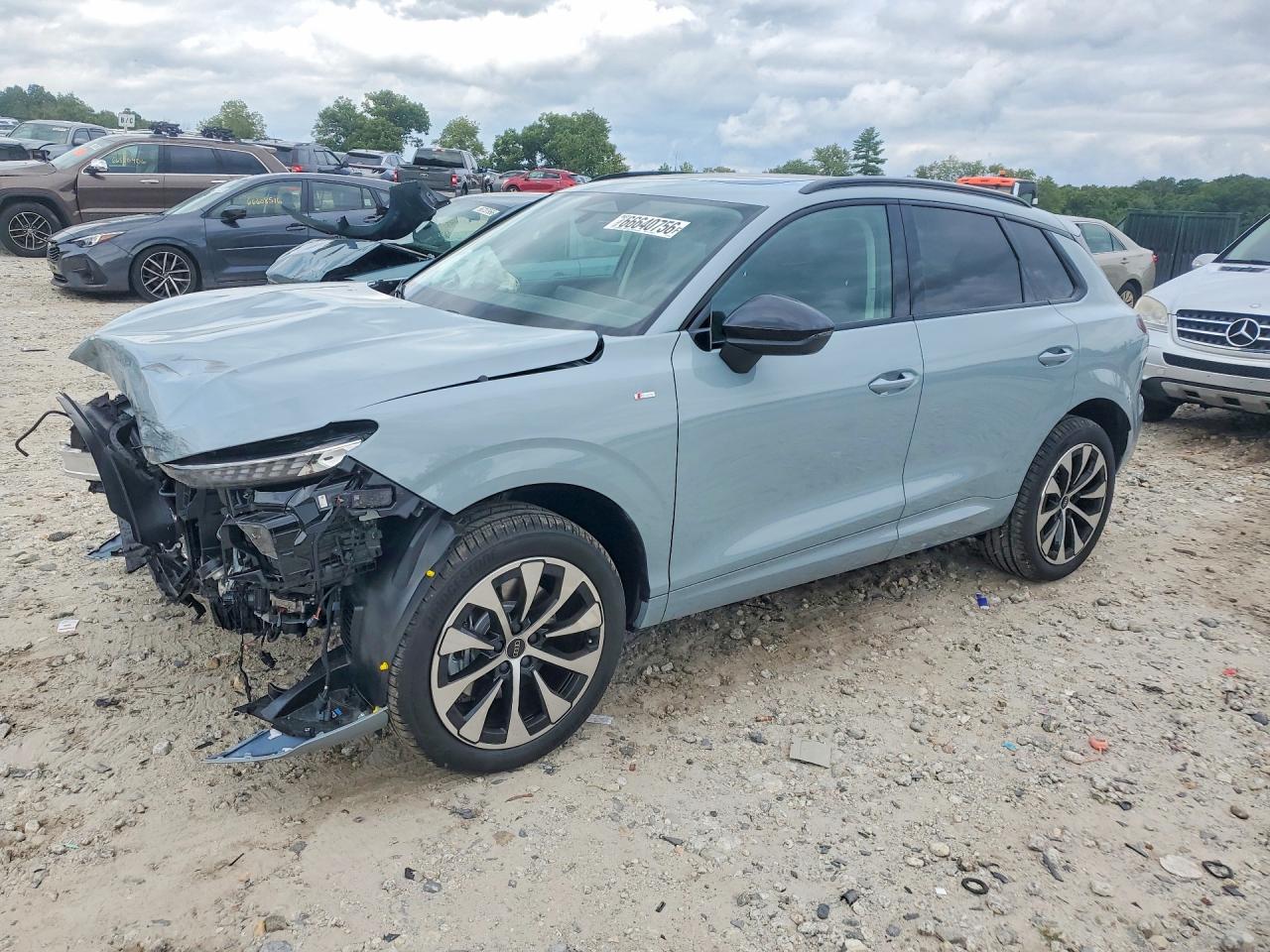
Currently offering 14410 Audi from 2001 to 2026. The most numerous are Q5 (3207), Q7 (1763), A4 (1744). 352 are fully electric, and 126 plug-in hybrids. 1050 have light damage, and 192 are hail-damaged. Of 4510 with starting data 3700 start and drive. 38 of those offered have been to auction more than once since 1 August — each car's history is on its own page